Serbia (Republic of Serbia) is a landlocked country in southeastern Europe, located between the Pannonian Lowland and the Balkan Peninsula. It borders Hungary, Romania, Bulgaria, North Macedonia, Montenegro, Bosnia and Herzegovina, de facto Kosovo, and Croatia. It has about 7 million inhabitants and its capital is Belgrade.
Until 1992, Serbia was part of Yugoslavia, and was later reduced to the State Union of Serbia and Montenegro; following the referendum held on 21 May 2006, Montenegro chose independence and the Federation was dissolved, transforming Serbia into a sovereign state. The end of the Union marks the last act in the long separation process of the six republics belonging to the old Socialist Federal Republic of Yugoslavia (Serbia, Montenegro, Slovenia, Croatia, Bosnia and Herzegovina and Macedonia), proclaimed in 1945.
Yugoslavia’s communist leader, Josip Broz Tito, kept ethnic tensions at bay. The federation lasted for over a decade after his death in 1980, but it disintegrated under Serbian nationalist leader Slobodan Milosevic in the 1990s. The secession of Slovenia and Macedonia occurred relatively peacefully, but devastating wars ensued in Croatia and Bosnia. In 2008, Kosovo unilaterally declared independence.
In 2023, a significant economic growth in Serbia is recorded thanks to a good performance in the agricultural and infrastructure sectors, alongside a strong recovery in the energy sector after the 2022 crisis. Net exports and consumptions are the main drivers of growth, while investment is contracting. In the medium term, Serbian economy is expected to grow steadily at around 3-4% per year, supported by increases in consumption and investment alongside an increase in exports.
In 2025, Serbia reports a continued and significant growth trend, to the development of key employment sectors such as ICT and production related to the energy transition. On the internal security front, 2025 is marked by student and civil society protests against the government and President Aleksander Vucic, accused of corruption and unwillingness to face responsibility for the Novi Sad train station tragedy in November 2024, when 15 people died due to the collapse of a cantilever roof.
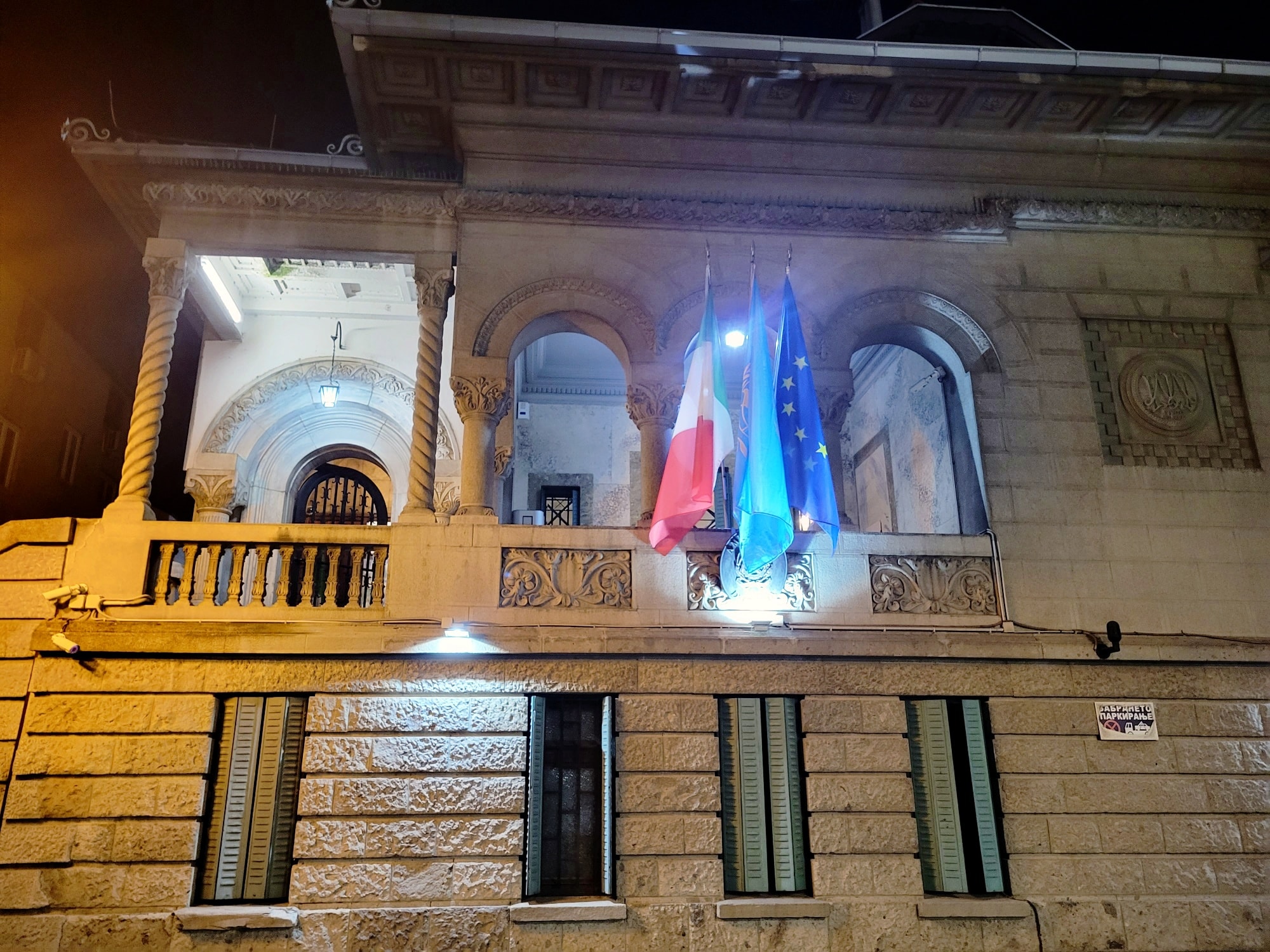
The Italian Development Cooperation is present in Serbia since 2001 with a Local Technical Unit (UTL). Cooperation activities supported Serbia throughout the stabilization process, with interventions focusing on institutional strengthening, economic development, and social policies. Sectors of intervention have been different but all of them devoted to poverty alleviation and improving socioeconomic conditions. Significant projects have been implemented in institutional and economic development, social policies, cultural heritage, healthcare, energy, environmental, agricultural, and education, through commodity aid grants and equipment supply. Technical assistance has also been provided to several ministries to support their alignment with EU public procurement standards. Economic development has also been supported by soft loans under the Credit Lines for the Promotion and Development of SMEs, in particular for environmental and agricultural infrastructures.
Currently, the Italian development cooperation program in Serbia includes 2 projects for a total budget of € 14,6 million, in addition to activities carried out in the framework of regional projects.