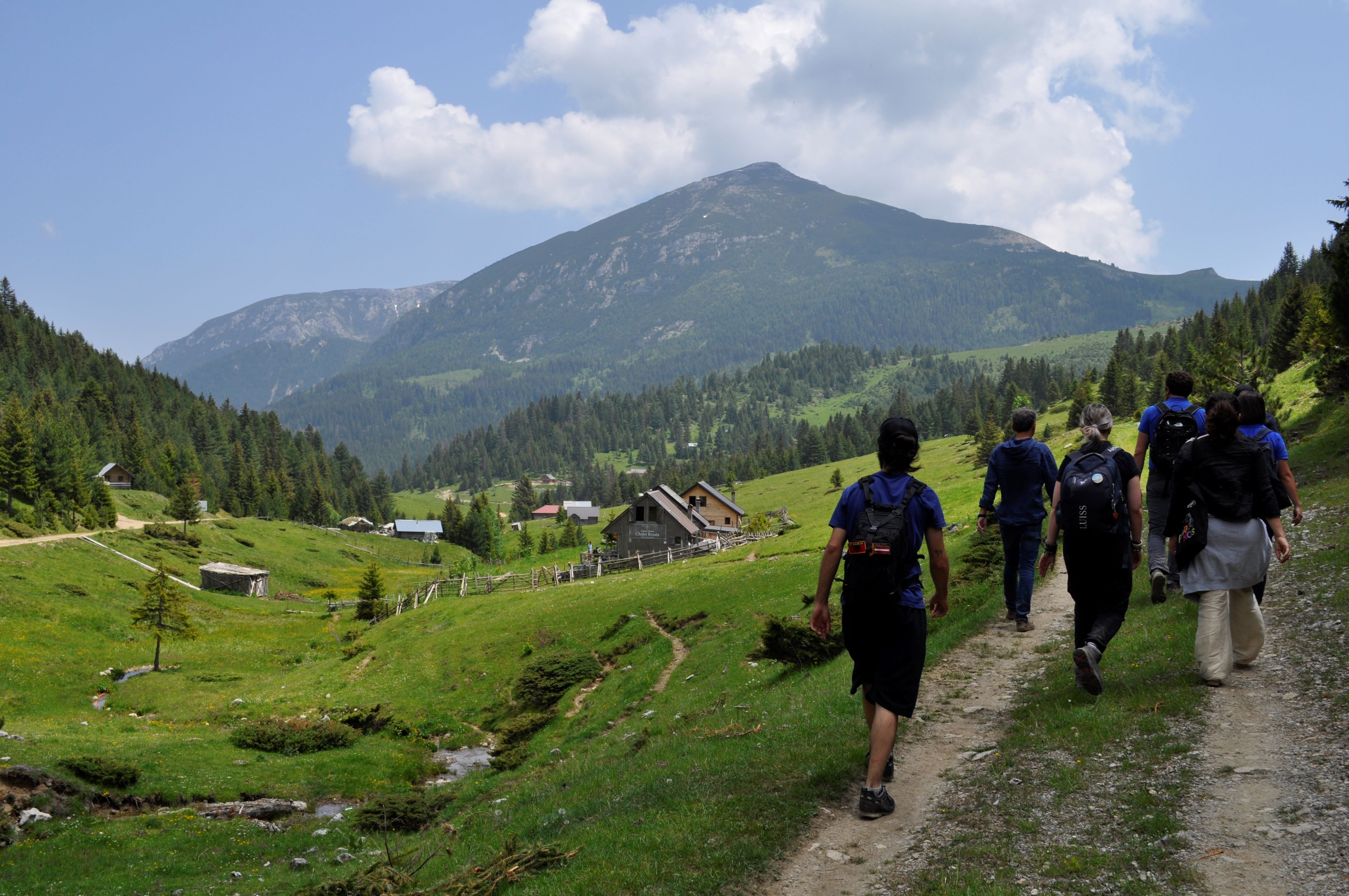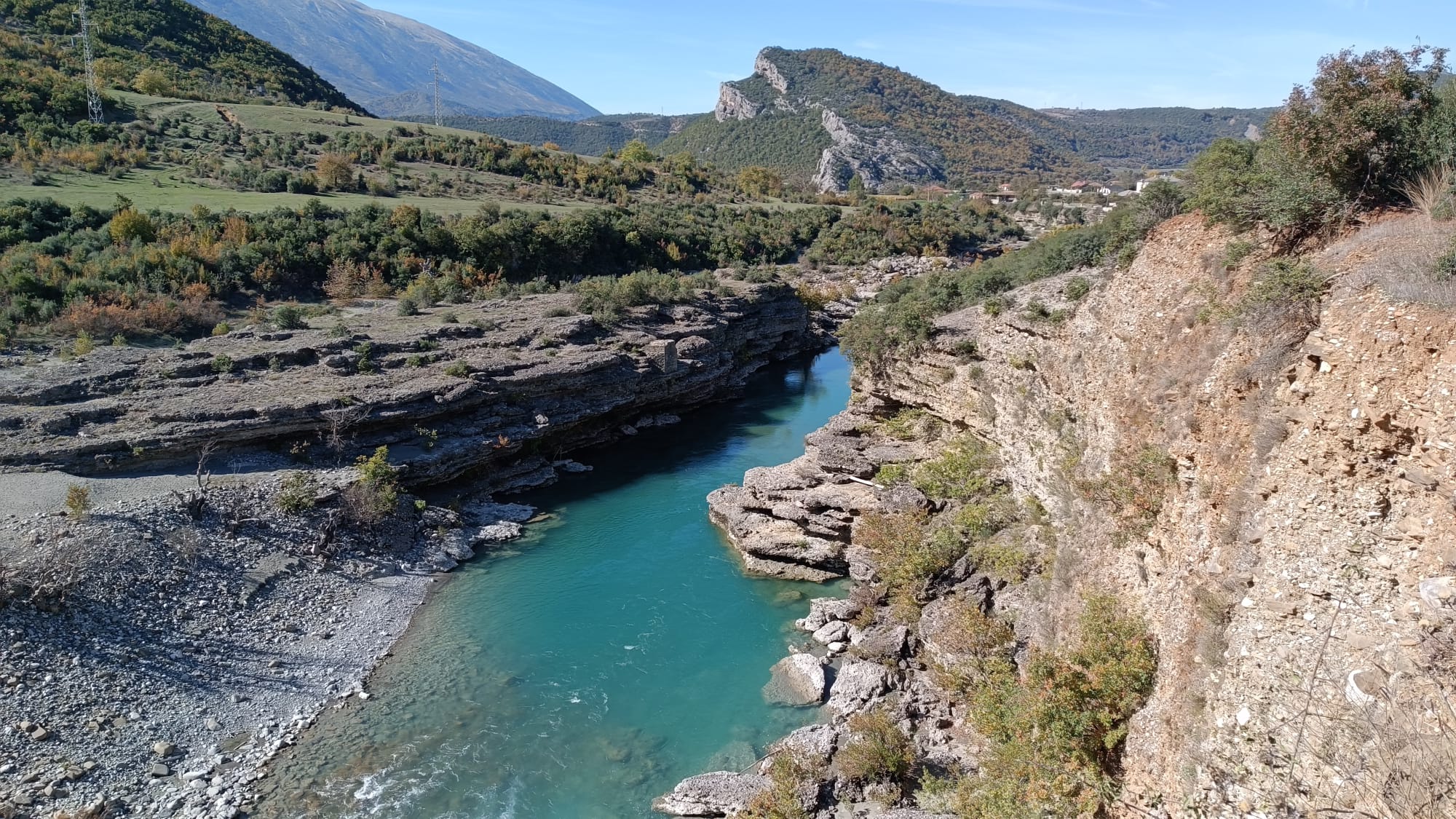
Montenegro is a country located in southeastern Europe. It overlooks the Adriatic Sea and borders Croatia, Bosnia and Herzegovina, Serbia, Kosovo, and Albania. Approximately half of its territory is covered by dense forests.
Montenegro became a sovereign state in May 2006, when 55% of the population voted for independence. This choice marked the end of the former Union of Serbia and Montenegro, established only three years before from the ashes of the former Yugoslavia.
Montenegro’s small, open, and service-based economy is particularly vulnerable to external shocks and relies on fiscal policy and structural reforms to maintain stability. In the ongoing process of accession to the European Union, negotiations started in 2012, Montenegro has aligned its legislation with the EU acquis and made significant efforts to improve living conditions, although standards of governance, justice, elections, and press freedom remain weak.
However, Montenegro’s growth strategy has so far largely relied on attracting a few large investment projects in transportation, energy, or tourism. The construction boom fueled temporary growth spurts, which were followed not by productivity growth but by sharp recessions, making the economy even more fragile. In order to achieve higher living standards, Montenegro’s growth strategy should be based on productivity and human capital growth, while preserving natural resources to enable sustainable development.
In 2017, Montenegro joined NATO, irritating its traditional ally Russia.