Albania

La Cooperazione Italiana è presente e opera in Albania dal 1991, a supporto dello sviluppo e della crescita sostenibile e inclusiva del Paese. Per vicinanza geografica all’Italia e legami storici, culturali ed economici, l’Albania ha rappresentato sempre uno dei principali Paesi di cooperazione nei Balcani per l’Italia.

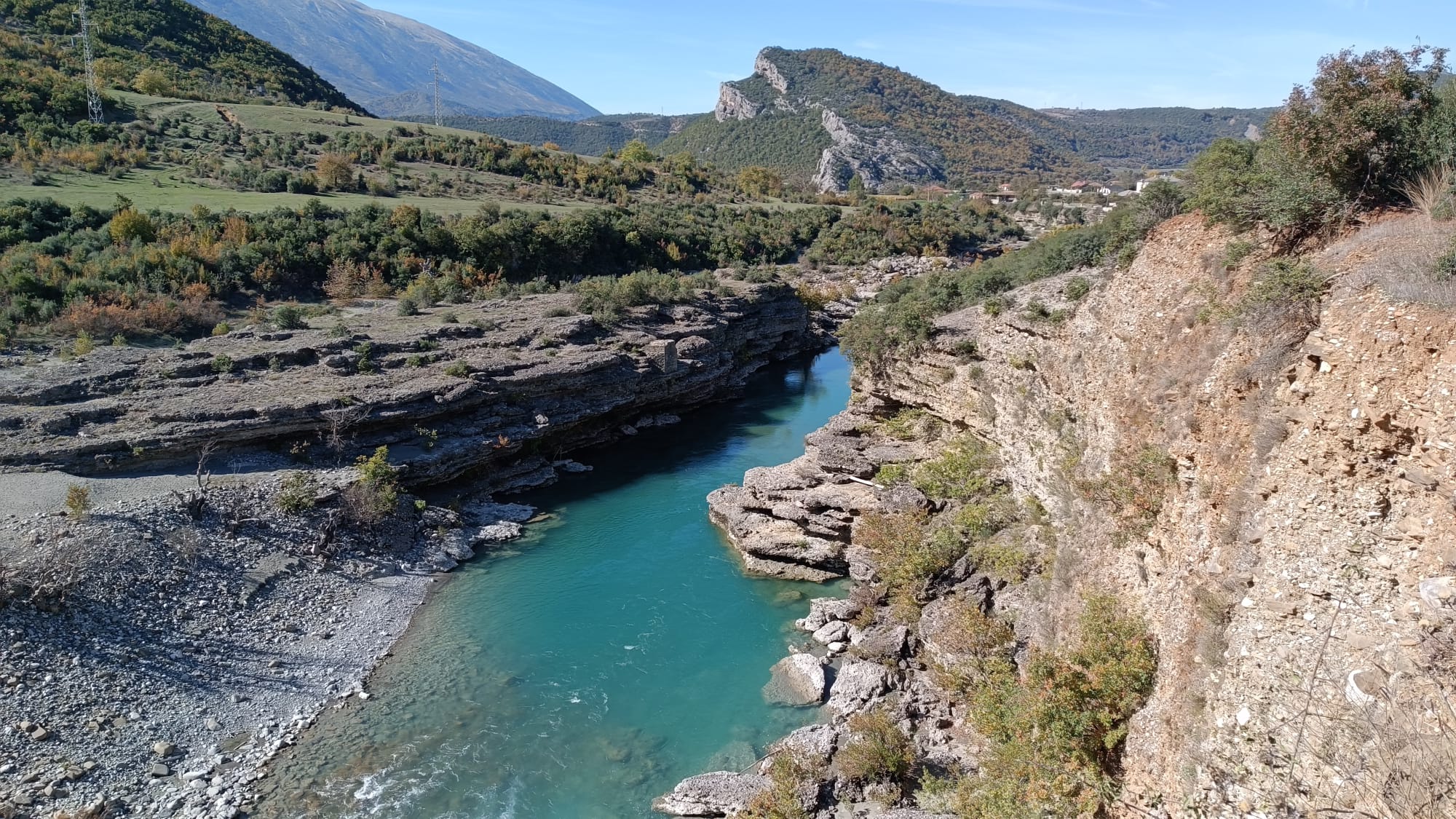
Vjosa river in Albania (Photo: CESVI)

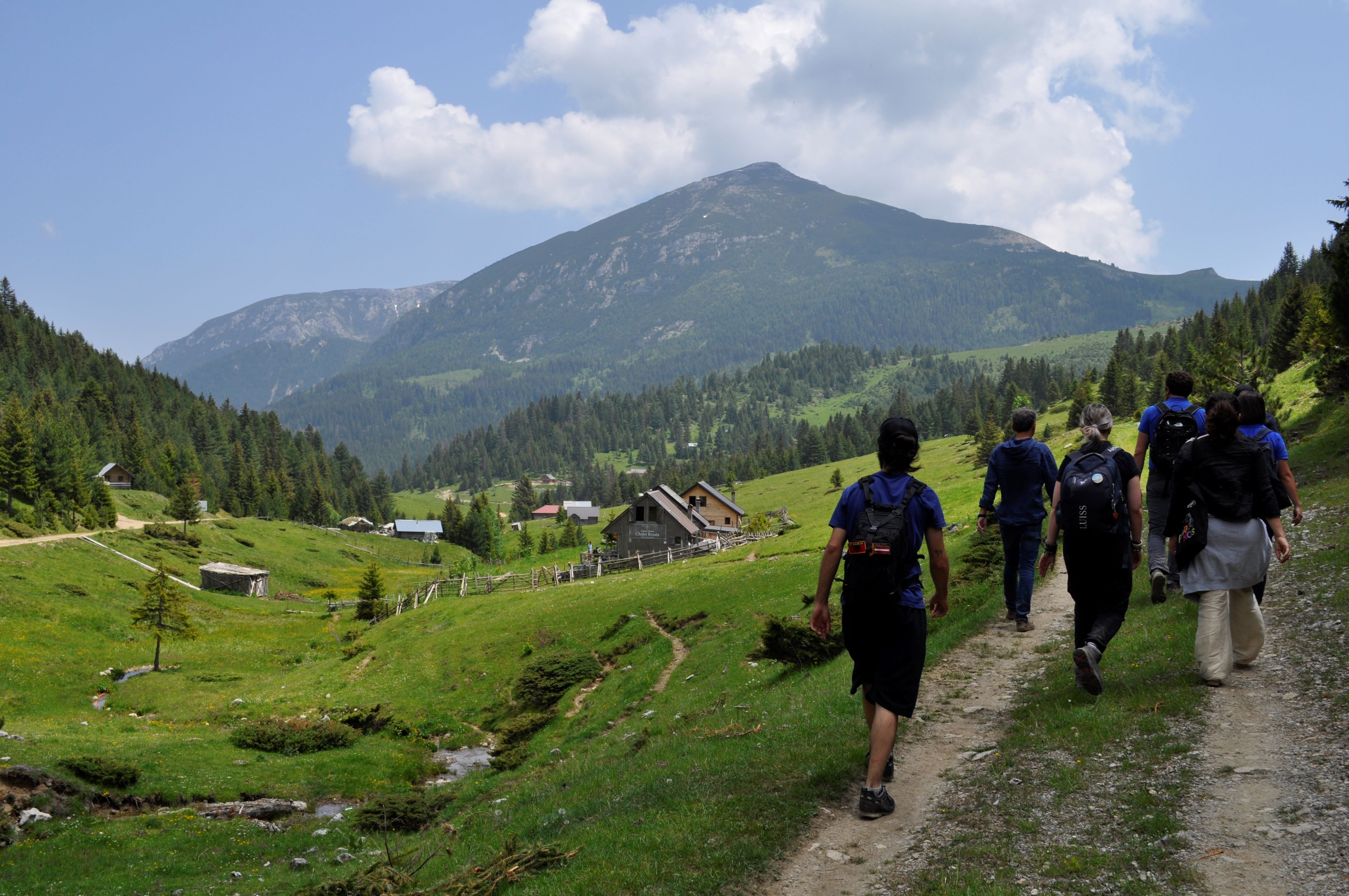
Albania (officially the Republic of Albania) is a small mountainous country on the Balkan Peninsula, with a long Adriatic and Ionian coastline. Together with neighboring Kosovo, mainly inhabited by Albanians, it has a Muslim confessional majority, derived from the Ottoman period that lasted for centuries. 17% of the population is Christian, divided between Orthodox and few Catholics.

After World War II, Albania became a Stalinist state under Enver Hoxha and remained firmly isolationist until the transition to democracy after the 90s1992 elections put an end to 47 years of communist dictatorship, but in the second part of the decade a rapid turnover of presidents and prime ministers occurred. Many Albanians left the country in search of work; remittances from Albanian diaspora still represents a vital source for national economy.

Albania converted its condition as one of the poorest countries in Europe to a medium-high income State. Albania today is a member of the United Nations, NATO, OSCE, Council of Europe, World Trade Organization and one of the founding members of the Union for the Mediterranean.

Since June 24, 2014, Albania is an official candidate to access the European Union, following the request for accession delivered to the EU on April 28, 2009. Free market reforms opened the country to foreign investments, in particular for development of energetic infrastructures and transportations. Albania is among European emerging countries and, thank to historical and natural beauties, one of the new touristic destinations in the Balkan Peninsula and in the Mediterranean basin.

With the opening of negotiation chapter n. 5, including key sectors such as “Resources Agriculture and Cohesion”, in 2025 Albania is going to complete its own path towards the different chapters to the EU accession. The European Union shows its appreciation to Albanian technical, institutional and economic preparedness, in addition to a full commitment to the EU. Albania aims at completing the whole negotiation before 2027, becoming a full member of the European Union before 2030.


The Italian Cooperation has been present and operating in Albania since 1991, supporting development and growth of the country. Given its geographical proximity to Italy and historical, cultural and economic ties between the two countries, Albania has always been one of the main development partners in the Balkans. Relevant Italian funds supported Albanian government to improve living conditions of population after the end of the regime and along the path towards democracy, opening a Local Technical Unit (UTL) in 1992. Several infrastructures, technical assistance programs and TVET projects were carried out by Italian stakeholders in the following thirty years, until the Framework Agreement for Development Cooperation signed between the Council of Ministers of the Republic of Albania and the Government of the Italian Republic on December 2, 2008.

Although Tirana and the main coastal centers have achieved a high level of development, inland regions still face vulnerabilities. For these reasons, the Italian Cooperation has recently shifted its focus from infrastructures sector including the construction of roads, bridges, power plants, and drinking water supply systems, funded with soft loans and implemented by private sector enterprises, to smaller interventions, primarily through grants, aimed at capacity building and support for rural areas and vulnerable groups. These projects are mainly implemented by actors of the so-called Sistema Italia such as Civil Society Organizations, local authorities, and international agencies.

Currently, the Italian development cooperation program in Albania includes 50 different initiatives (33 grants, 13 soft loans, and 4 EU delegated cooperation projects) for a total budget of €345 million.

In addition to this financial commitment, €40 million have been disbursed by to the Italian-Albanian Debt Swap Program (IADSA – Italian-Albanian Debt for Development Swap Program), which allocated resources otherwise earmarked for creditor reimbursement available for development projects. Launched in 2012, IADSA has proven to be a flexible and effective tool in addressing the main social development priorities promoted by Albanian public institutions, both nationally and locally. The IADSA I and IADSA II projects cover almost all of Albania’s territory: 52 of the 61 existing municipalities have received IADSA funds (IADSA – Italian-Albanian Debt for Development Swap Program).
Last update: 04/03/2026, 10:28

North Macedonia

La Cooperazione Italiana già nel 1996 provvedeva a siglare un Memorandum of Understanding on Technical Cooperation tra il Ministero degli Esteri Italiano e il Ministero degli Esteri Macedone. Nel testo, le parti esprimevano la volontà di realizzare iniziative tramite organizzazioni no-profit supportate finanziariamente dall’Italia in diversi ambiti.

North Macedonia
Read more La Cooperazione Italiana già nel 1996 provvedeva a siglare un Memorandum of Understanding on Technical Cooperation tra il Ministero degli Esteri Italiano e il Ministero degli Esteri Macedone. Nel testo, le parti esprimevano la volontà di realizzare iniziative tramite organizzazioni no-profit supportate finanziariamente dall’Italia in diversi ambiti.

Bosnia and Herzegovina

La Cooperazione Italiana opera in Bosnia ed Erzegovina dal 1992, quando, in collaborazione con le agenzie delle Nazioni Unite, ha realizzato indispensabili interventi di emergenza per l’assistenza sanitaria e logistica ai profughi ed alla popolazione assediata.

Bosnia and Herzegovina
Read more La Cooperazione Italiana opera in Bosnia ed Erzegovina dal 1992, quando, in collaborazione con le agenzie delle Nazioni Unite, ha realizzato indispensabili interventi di emergenza per l’assistenza sanitaria e logistica ai profughi ed alla popolazione assediata.

Kosovo

Officially referred to as the Republic of Kosovo, it is a South-Eastern Europe state recognized by a significant part of the international community. Located in the center of the Balkan Peninsula, it is bordered to the north and east by Serbia, to the southeast by North Macedonia, to the southwest by Albania, and to the […]

Kosovo
Read more Officially referred to as the Republic of Kosovo, it is a South-Eastern Europe state recognized by a significant part of the international community. Located in the center of the Balkan Peninsula, it is bordered to the north and east by Serbia, to the southeast by North Macedonia, to the southwest by Albania, and to the […]

Serbia

La Cooperazione Italiana è presente in Serbia dal 2001 con un’Unità Tecnica Locale (UTL). Le attività di cooperazione hanno accompagnato la Serbia durante il processo di stabilizzazione con interventi a favore del rafforzamento istituzionale, dello sviluppo economico e delle politiche sociali.

Serbia
Read more La Cooperazione Italiana è presente in Serbia dal 2001 con un’Unità Tecnica Locale (UTL). Le attività di cooperazione hanno accompagnato la Serbia durante il processo di stabilizzazione con interventi a favore del rafforzamento istituzionale, dello sviluppo economico e delle politiche sociali.

Montenegro

L'economia del Montenegro, piccola, aperta e basata sui servizi, è particolarmente vulnerabile agli shock esterni e fa affidamento sulla politica fiscale e sulle riforme strutturali per mantenere la stabilità. Nel processo di adesione all’Unione Europea in corso, negoziati avviati nel 2012, il Montenegro ha allineato la propria legislazione all'acquis dell'Unione e compiuto sforzi significativi per migliorare il tenore di vita.

Montenegro
Read more L'economia del Montenegro, piccola, aperta e basata sui servizi, è particolarmente vulnerabile agli shock esterni e fa affidamento sulla politica fiscale e sulle riforme strutturali per mantenere la stabilità. Nel processo di adesione all’Unione Europea in corso, negoziati avviati nel 2012, il Montenegro ha allineato la propria legislazione all'acquis dell'Unione e compiuto sforzi significativi per migliorare il tenore di vita.

Partnerships

AICS Tirana works in collaboration with a wide range of partners, governmental and not, local Italian and international, contributing to the implementation of the projects as implementing partners or as part of a consortium, and focusing on single/ specific activities. Several national ministries are our partners, as in Albania MTKS – Ministry for Tourism, Culture […]

Partnerships
Read more AICS Tirana works in collaboration with a wide range of partners, governmental and not, local Italian and international, contributing to the implementation of the projects as implementing partners or as part of a consortium, and focusing on single/ specific activities. Several national ministries are our partners, as in Albania MTKS – Ministry for Tourism, Culture […]

Structure and staff

Read more

Office director (Acting)

Read more

Profile and Objectives

The Italian Agency for Development Cooperation is one of the main intriductions of the Development Cooperation Reform Law (Law No. 125/2014) and began its operations in January 2016, with the aim of aligning Italy with its main European and international partners in its development efforts. The Agency is a model used in all major European […]

Profile and Objectives
Read more The Italian Agency for Development Cooperation is one of the main intriductions of the Development Cooperation Reform Law (Law No. 125/2014) and began its operations in January 2016, with the aim of aligning Italy with its main European and international partners in its development efforts. The Agency is a model used in all major European […]