Bosnia and Herzegovina

La Cooperazione Italiana opera in Bosnia ed Erzegovina dal 1992, quando, in collaborazione con le agenzie delle Nazioni Unite, ha realizzato indispensabili interventi di emergenza per l’assistenza sanitaria e logistica ai profughi ed alla popolazione assediata.

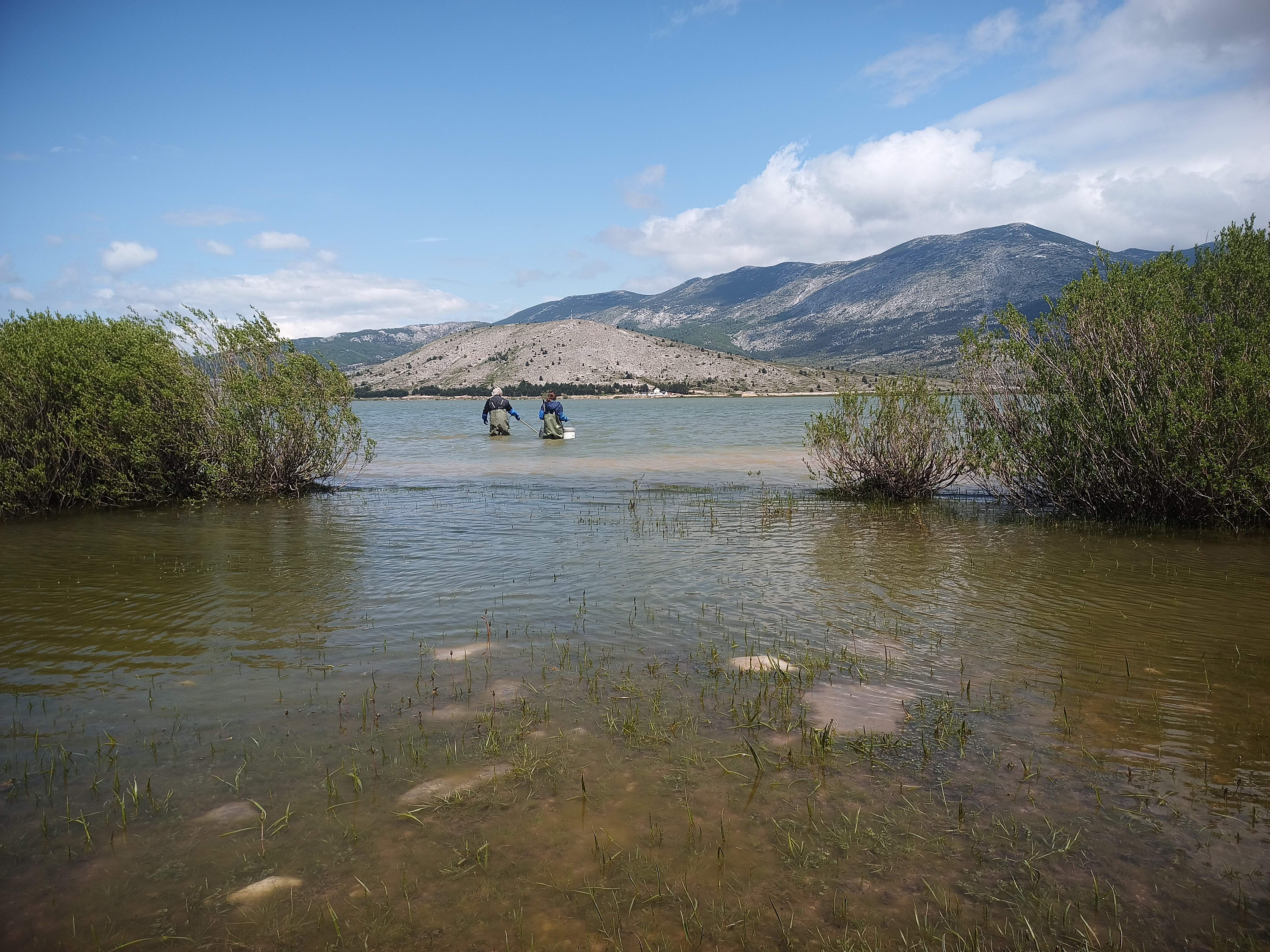
Biodiversity collection analysis (Photo: CISPBiH)

Bosnia and Herzegovina is located in southeastern Europe, on the Balkan Peninsula, with its capital in Sarajevo. It borders Serbia to the east, Montenegro to the southeast, and Croatia to the north and southwest. To the south, it has a 23,5-km-long coastline on the Adriatic Sea, with the town of Neum as its only access to the sea.

Bosnia and Herzegovina is a “partially” independent State, under international supervision in the framework of the Dayton Peace Agreements (1995) that put an end to the war in the country, lasted from 1992 to 1995.

The population is mainly composed of three ethno-religious communities: Bosniaks (Muslims), Croats (Catholics) and Serbs (Orthodox). At political-administrative level, the country includes two different entities – Federation of Bosnia and Herzegovina and Republika Srpska – in addition to the Brcko District, which is ruled by its own local government. The executive body at state level is the Council of Ministers, which has 9 ministries to coordinate policies and a rotating tripartite presidency.

Despite some flourished sectors, such as tourism, Bosnia and Herzegovina continues to face significant challenges: a fragile political and institutional situation is marked by growing tensions, persistent emigration of young people seeking better opportunities, a significant presence of the State in the economy, and a rising cost of living reducing families’ purchasing power. These issues hinder a full exploitation of the country’s potential and the improvement of the population’s living conditions.


The Italian Development Cooperation has been operating in Bosnia and Herzegovina since 1992, carrying out emergency interventions for health and logistical assistance to refugees and the besieged population in collaboration with UN agencies.

The political-institutional framework resulting from Dayton agreements allowed a joint effort with international community, strengthening actions for institutional support and economic development. Since 1995, the Italian Development Cooperation focused on reconstruction and development in order to foster bilateral economic relations, opening the Local Technical Unit (UTL) in Sarajevo in 1997.

Currently, the Italian development cooperation program in Bosnia and Herzegovina includes 13 grant projects for a total budget of € 27,1 million, in addition to activities carried out in the framework of regional projects.
Last update: 09/02/2026, 11:09

North Macedonia

La Cooperazione Italiana già nel 1996 provvedeva a siglare un Memorandum of Understanding on Technical Cooperation tra il Ministero degli Esteri Italiano e il Ministero degli Esteri Macedone. Nel testo, le parti esprimevano la volontà di realizzare iniziative tramite organizzazioni no-profit supportate finanziariamente dall’Italia in diversi ambiti.

North Macedonia
Read more La Cooperazione Italiana già nel 1996 provvedeva a siglare un Memorandum of Understanding on Technical Cooperation tra il Ministero degli Esteri Italiano e il Ministero degli Esteri Macedone. Nel testo, le parti esprimevano la volontà di realizzare iniziative tramite organizzazioni no-profit supportate finanziariamente dall’Italia in diversi ambiti.

Kosovo

Officially referred to as the Republic of Kosovo, it is a South-Eastern Europe state recognized by a significant part of the international community. Located in the center of the Balkan Peninsula, it is bordered to the north and east by Serbia, to the southeast by North Macedonia, to the southwest by Albania, and to the […]

Kosovo
Read more Officially referred to as the Republic of Kosovo, it is a South-Eastern Europe state recognized by a significant part of the international community. Located in the center of the Balkan Peninsula, it is bordered to the north and east by Serbia, to the southeast by North Macedonia, to the southwest by Albania, and to the […]

Serbia

La Cooperazione Italiana è presente in Serbia dal 2001 con un’Unità Tecnica Locale (UTL). Le attività di cooperazione hanno accompagnato la Serbia durante il processo di stabilizzazione con interventi a favore del rafforzamento istituzionale, dello sviluppo economico e delle politiche sociali.

Serbia
Read more La Cooperazione Italiana è presente in Serbia dal 2001 con un’Unità Tecnica Locale (UTL). Le attività di cooperazione hanno accompagnato la Serbia durante il processo di stabilizzazione con interventi a favore del rafforzamento istituzionale, dello sviluppo economico e delle politiche sociali.

Albania

La Cooperazione Italiana è presente e opera in Albania dal 1991, a supporto dello sviluppo e della crescita sostenibile e inclusiva del Paese. Per vicinanza geografica all’Italia e legami storici, culturali ed economici, l’Albania ha rappresentato sempre uno dei principali Paesi di cooperazione nei Balcani per l’Italia.

Albania
Read more La Cooperazione Italiana è presente e opera in Albania dal 1991, a supporto dello sviluppo e della crescita sostenibile e inclusiva del Paese. Per vicinanza geografica all’Italia e legami storici, culturali ed economici, l’Albania ha rappresentato sempre uno dei principali Paesi di cooperazione nei Balcani per l’Italia.

Montenegro

L'economia del Montenegro, piccola, aperta e basata sui servizi, è particolarmente vulnerabile agli shock esterni e fa affidamento sulla politica fiscale e sulle riforme strutturali per mantenere la stabilità. Nel processo di adesione all’Unione Europea in corso, negoziati avviati nel 2012, il Montenegro ha allineato la propria legislazione all'acquis dell'Unione e compiuto sforzi significativi per migliorare il tenore di vita.

Montenegro
Read more L'economia del Montenegro, piccola, aperta e basata sui servizi, è particolarmente vulnerabile agli shock esterni e fa affidamento sulla politica fiscale e sulle riforme strutturali per mantenere la stabilità. Nel processo di adesione all’Unione Europea in corso, negoziati avviati nel 2012, il Montenegro ha allineato la propria legislazione all'acquis dell'Unione e compiuto sforzi significativi per migliorare il tenore di vita.

Partnerships

AICS Tirana works in collaboration with a wide range of partners, governmental and not, local Italian and international, contributing to the implementation of the projects as implementing partners or as part of a consortium, and focusing on single/ specific activities. Several national ministries are our partners, as in Albania MTKS – Ministry for Tourism, Culture […]

Partnerships
Read more AICS Tirana works in collaboration with a wide range of partners, governmental and not, local Italian and international, contributing to the implementation of the projects as implementing partners or as part of a consortium, and focusing on single/ specific activities. Several national ministries are our partners, as in Albania MTKS – Ministry for Tourism, Culture […]

Structure and staff

Read more

Office director (Acting)

Read more

Profile and Objectives

The Italian Agency for Development Cooperation is one of the main intriductions of the Development Cooperation Reform Law (Law No. 125/2014) and began its operations in January 2016, with the aim of aligning Italy with its main European and international partners in its development efforts. The Agency is a model used in all major European […]

Profile and Objectives
Read more The Italian Agency for Development Cooperation is one of the main intriductions of the Development Cooperation Reform Law (Law No. 125/2014) and began its operations in January 2016, with the aim of aligning Italy with its main European and international partners in its development efforts. The Agency is a model used in all major European […]