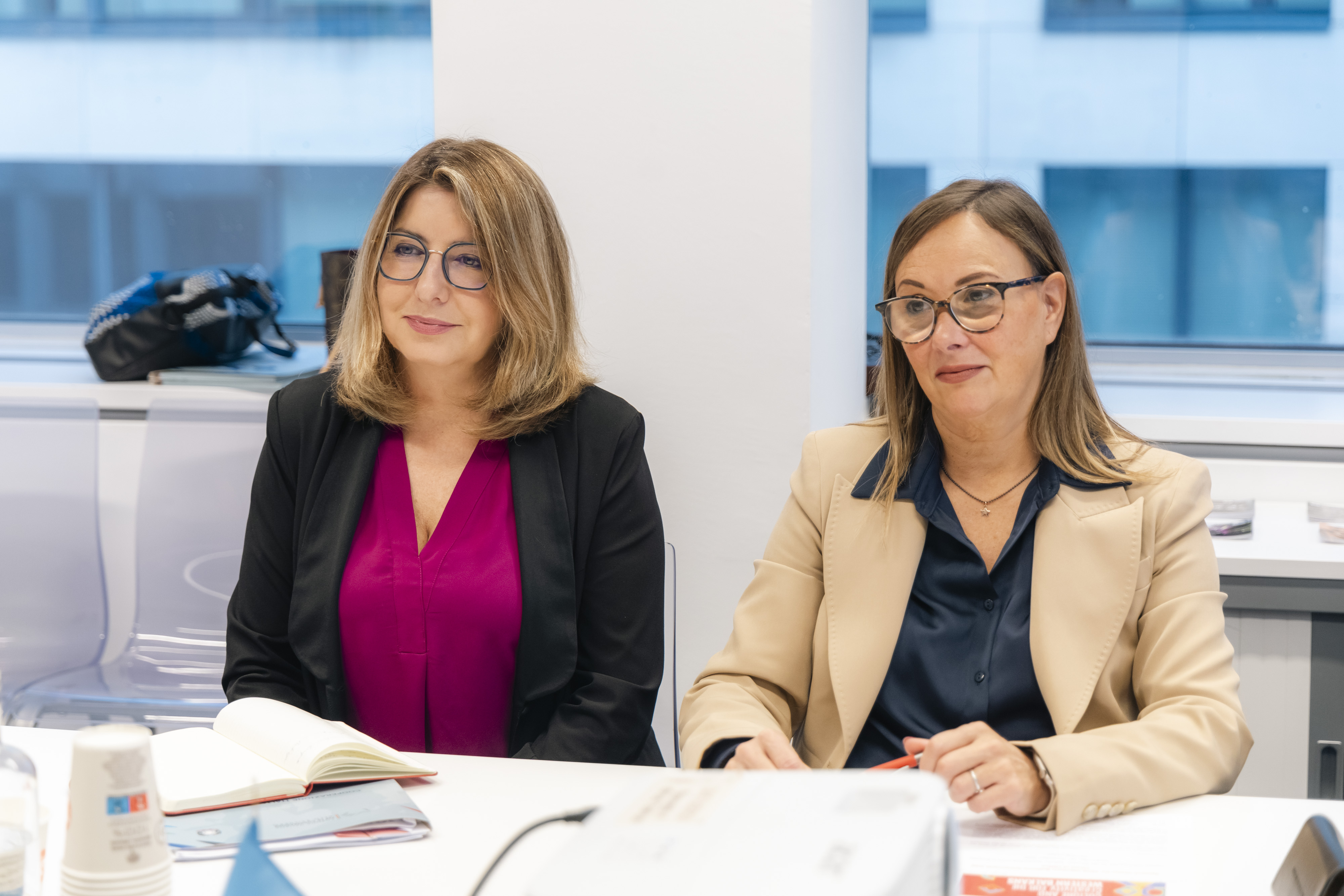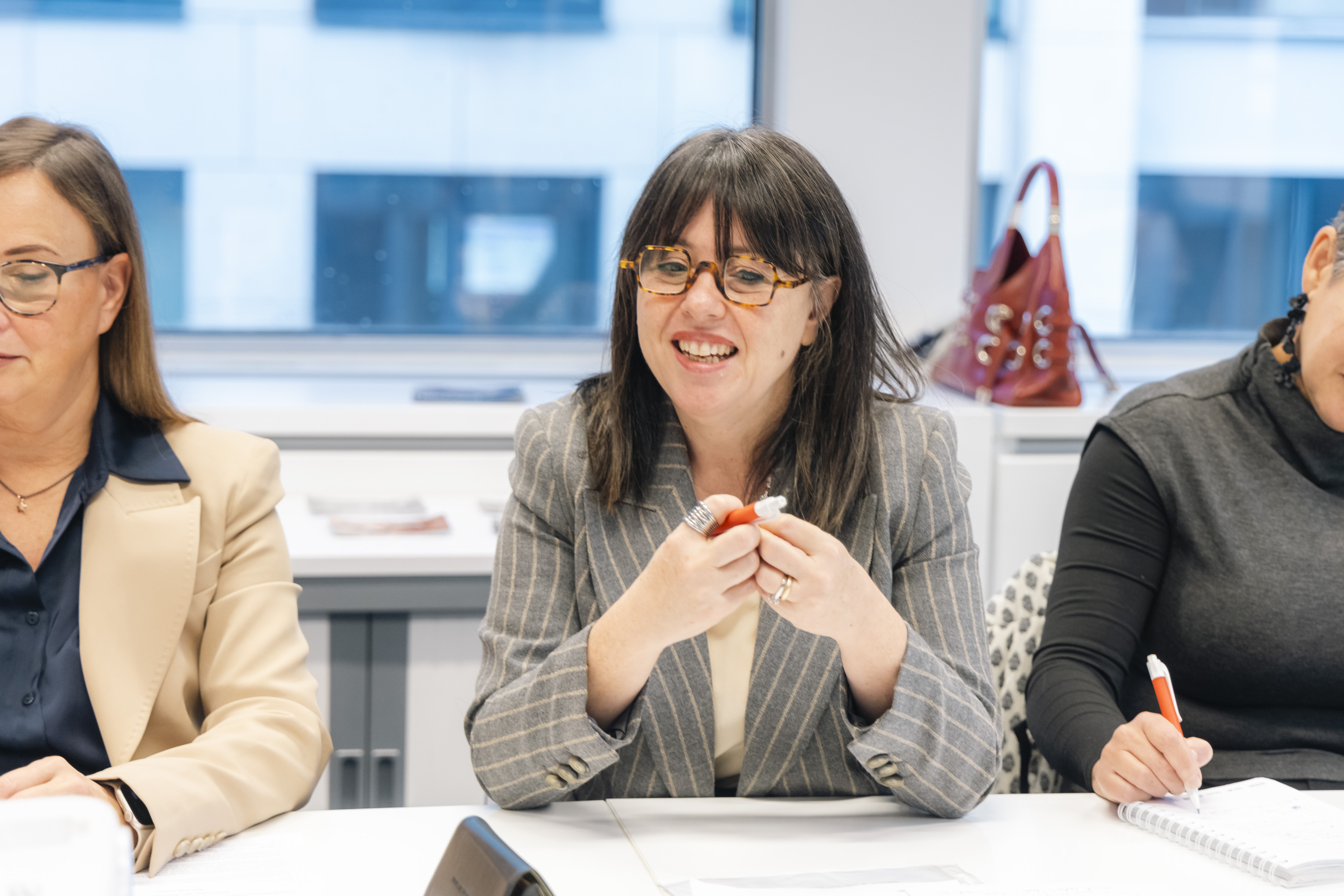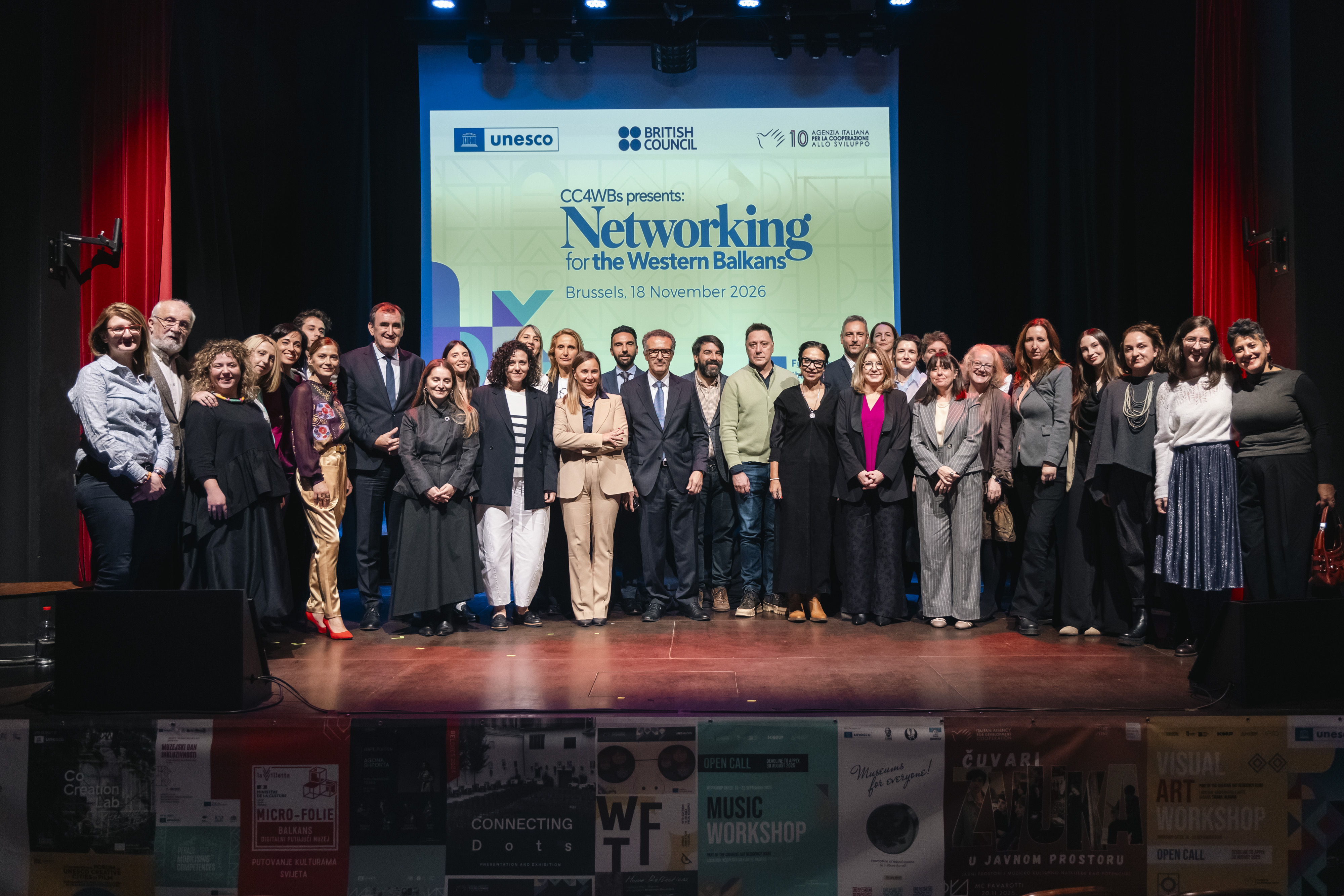
Brussels, 19 November 2026 – The Italian Agency for Development Cooperation (AICS) participated in the closing event of the Culture and Creativity for the Western Balkans (CC4WBs) programme, held on 18 November in Brussels, celebrating more than four years of investment in culture, creativity, regional cooperation and sustainable development.
Funded by the European Union with a budget of €8 million and jointly implemented by UNESCO, the British Council and AICS, the programme has supported more than 300 initiatives, nearly 500 events and 106 mobility activities. Since its launch in April 2022, it has reached over one million people, supported 26,000 direct beneficiaries and brought together 42,000 participants through cultural activities across the Western Balkans.
The event brought together European institutions, implementing partners, cultural organisations, artists and creative professionals to reflect on the programme’s achievements and explore future opportunities for strengthening the role of culture in European integration, social cohesion and sustainable economic development.
Representing Italian Development Cooperation, Grazia Sgarra, Director of the AICS Rome Office for Civil Society Organisations, Partnership and Finance for Development, and Annamaria Iotti, Head of the AICS Tirana Office, highlighted the transformative potential of culture as a driver of sustainable development, social inclusion and regional cooperation.
Grazia Sgarra emphasised the importance of investing in creativity, human capital and sustainable partnerships that extend beyond financial support, connecting cultural organisations, public institutions, civil society and the private sector.
“Culture is much more than the preservation of shared heritage. It is a resource for economic opportunity, social inclusion and dialogue between communities. Investing in people’s skills, creativity and capacity to innovate is essential for sustainable development. CC4WBs demonstrates how international cooperation can help unlock this potential and create opportunities across the region.”
Drawing on AICS Tirana’s regional experience, Ms. Iotti highlighted three key achievements of the programme: expanding opportunities for cultural participation and expression, strengthening the professional and organisational capacities of cultural operators, and promoting regional cooperation and mutual understanding.
Initiatives such as the Ekrani i Artit festival in Shkodra, which brought together more than 1,000 participants, the Songwriting Hubs in Banja Luka and Belgrade, Reporting Culture in Sarajevo, the Queer Culture Marathon Festival in Albania and Soundscapes of the Western Balkans in Mostar have created new opportunities for artistic expression, professional development, civic participation and intercultural dialogue. Initiatives promoting traditional cultural heritage, such as the Xhubleta, have also demonstrated how heritage can be reinterpreted and made relevant to younger generations.
Ms. Iotti further underlined the importance of culture in advancing reconciliation, intercultural dialogue and good neighbourly relations – fundamental priorities of Italian Development Cooperation’s engagement across the Western Balkans. By connecting artists, cultural organisations and creative professionals from different countries, the programme has contributed to building trust, strengthening cross-border partnerships and reinforcing the people-to-people dimension of European integration.
“Ultimately, the value of CC4WBs lies not only in the initiatives supported, but also in the capacities strengthened, the opportunities created and the relationships developed across the region.”
As the programme approaches its official conclusion in March 2027, sustaining its achievements remains a central priority. The partnerships established, the professional skills developed and the regional networks created represent an important foundation for future cooperation and continued investment in the cultural and creative sectors.
Through its engagement in CC4WBs, Italian Development Cooperation reaffirms its commitment to promoting culture as a powerful instrument for inclusive growth, social cohesion, reconciliation and sustainable development, contributing to a shared European future for the Western Balkans.
The event concluded with a performance by HELEM NEJSE, a Sarajevo-based musical collective, bringing the energy and creativity of the Western Balkans to the European capital and celebrating culture’s unique ability to connect people beyond borders.