Across the Western Balkans, many young artists struggle to access professional development opportunities, creative infrastructure, and platforms to present their work.
In communities such as Vaqarr, a peri-urban area of Tirana, these challenges are even more pronounced due to high youth unemployment, limited cultural facilities, and abandoned public spaces without social or cultural function. As a result, creative potential often remainsuntapped while communities miss opportunities for cultural participation and social connection.
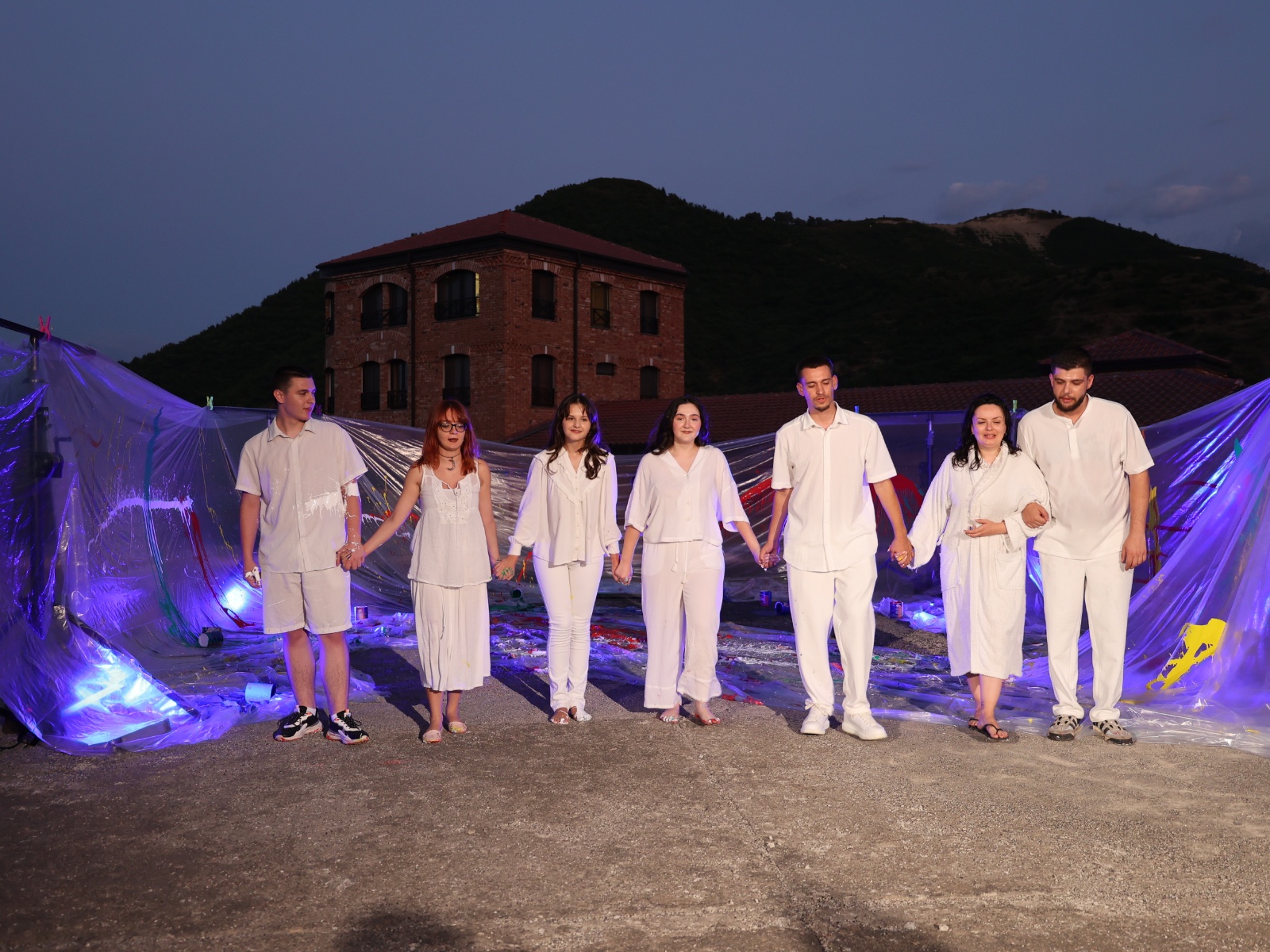
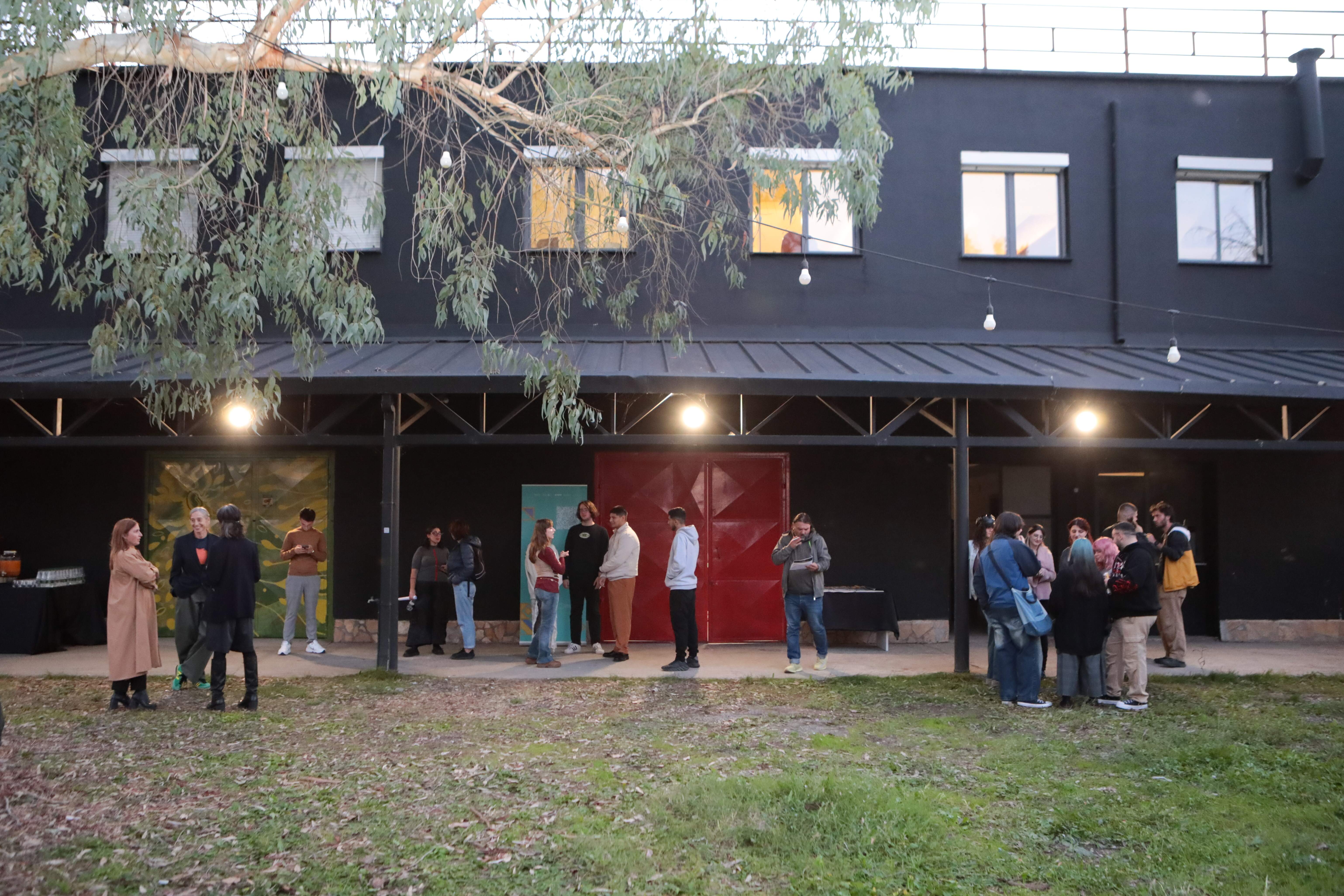
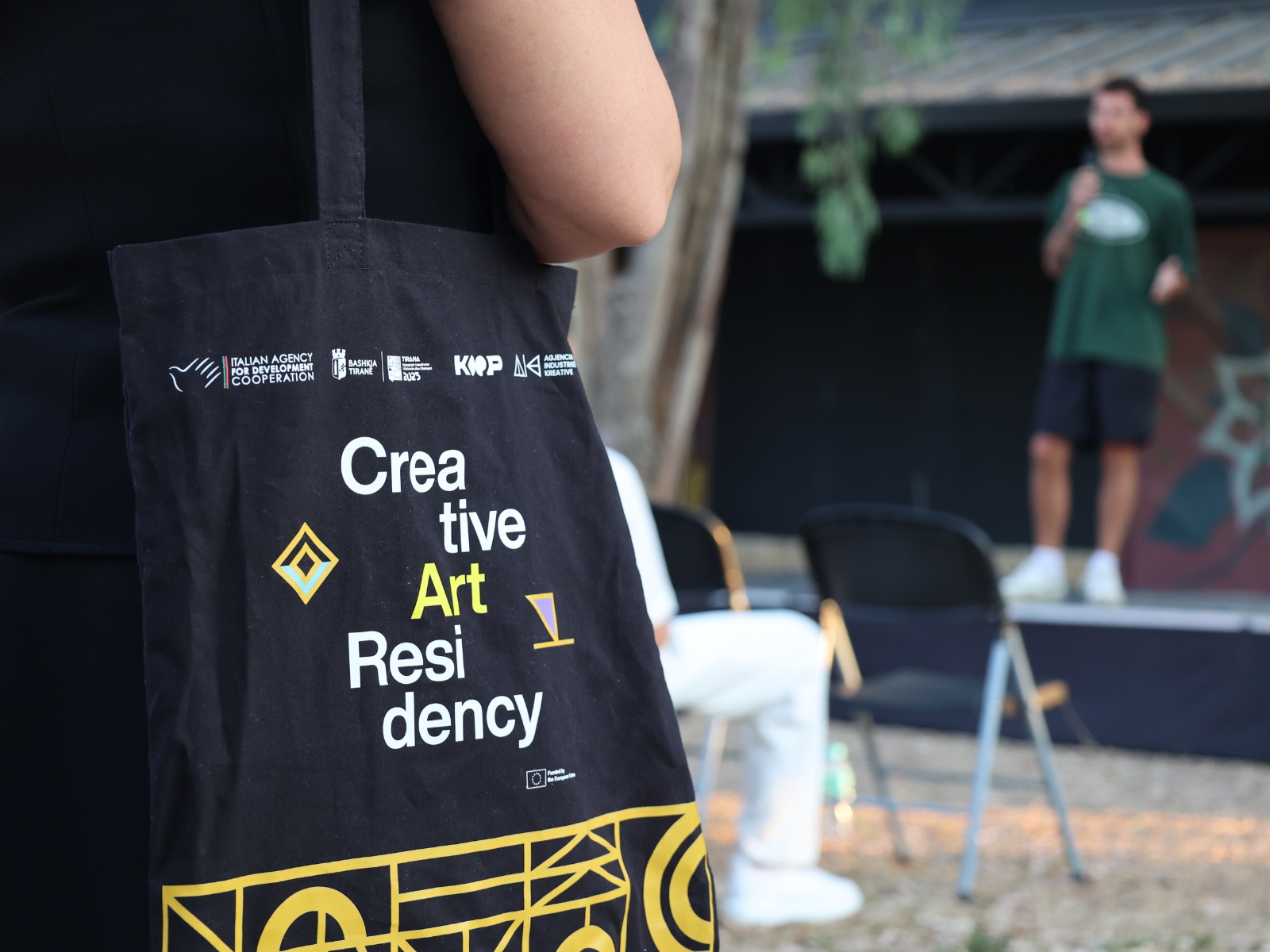
Through the Culture and Creativity for the Western Balkans (CC4WBs) project, funded by the European Union and implemented in the Western Balkans by UNESCO, AICS Tirana and British Council, the Creative Art Residency (CAR) introduced an innovative model for revitalising local cultural spaces. The project transformed a former rehabilitation centre into a temporary creative hub where young artists could collaborate, learn, and present their work. The residency provided free access to workshops, mentorship, networking opportunities, and public events across four artistic disciplines: film and scriptwriting, visual arts, theatre, and music. By removing financial barriers and prioritising inclusion, the programme enabled young artists from diverse and marginalised backgrounds to participate fully.
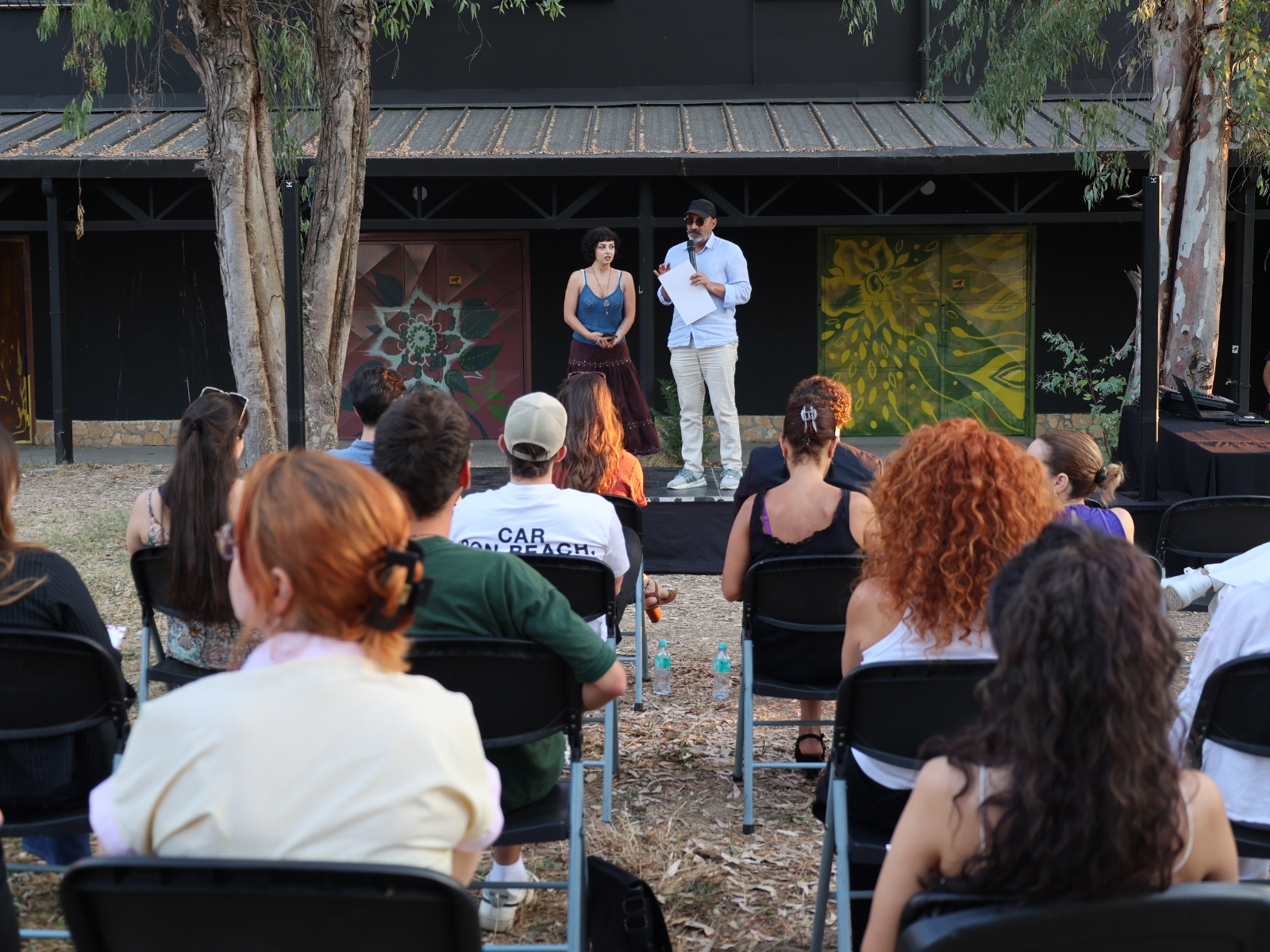
The residency produced tangible results. 20 young artists strengthened their skills and professional networks while producing eight artistic works and organising public performances, exhibitions, and pitching events attended by local residents. For the community of Vaqarr, the project transformed an unused building into a vibrant cultural space, creating new opportunities for dialogue, participation, and pride in local cultural life. By connecting artistic development with community engagement, the Creative Art Residency demonstrated how culture can revitalise spaces, empower young creatives, and strengthen local cultural ecosystems.