Today is Human Rights Day, an international day commemorating the historic adoption of the Universal Declaration of Human Rights by the General Assembly of the United Nations in 1948.
In Albania, important steps have to be done regarding one of the fundamental human rights: the right to health. The Italian Cooperation is committed to contributing to the reduction of neonatal and maternal mortality in Albania, improving quality and accessibility of care for newborns and mothers through a new project entitled “Matherna,” worth a significant total of €6 million.
“PRISMA” and “ANMA” are the two separate components included in “Matherna” project, implemented respectively by Public Territorial healthcare authority Fatebenefratelli in Milan and the Albanian Ministry of Health and Social Welfare.
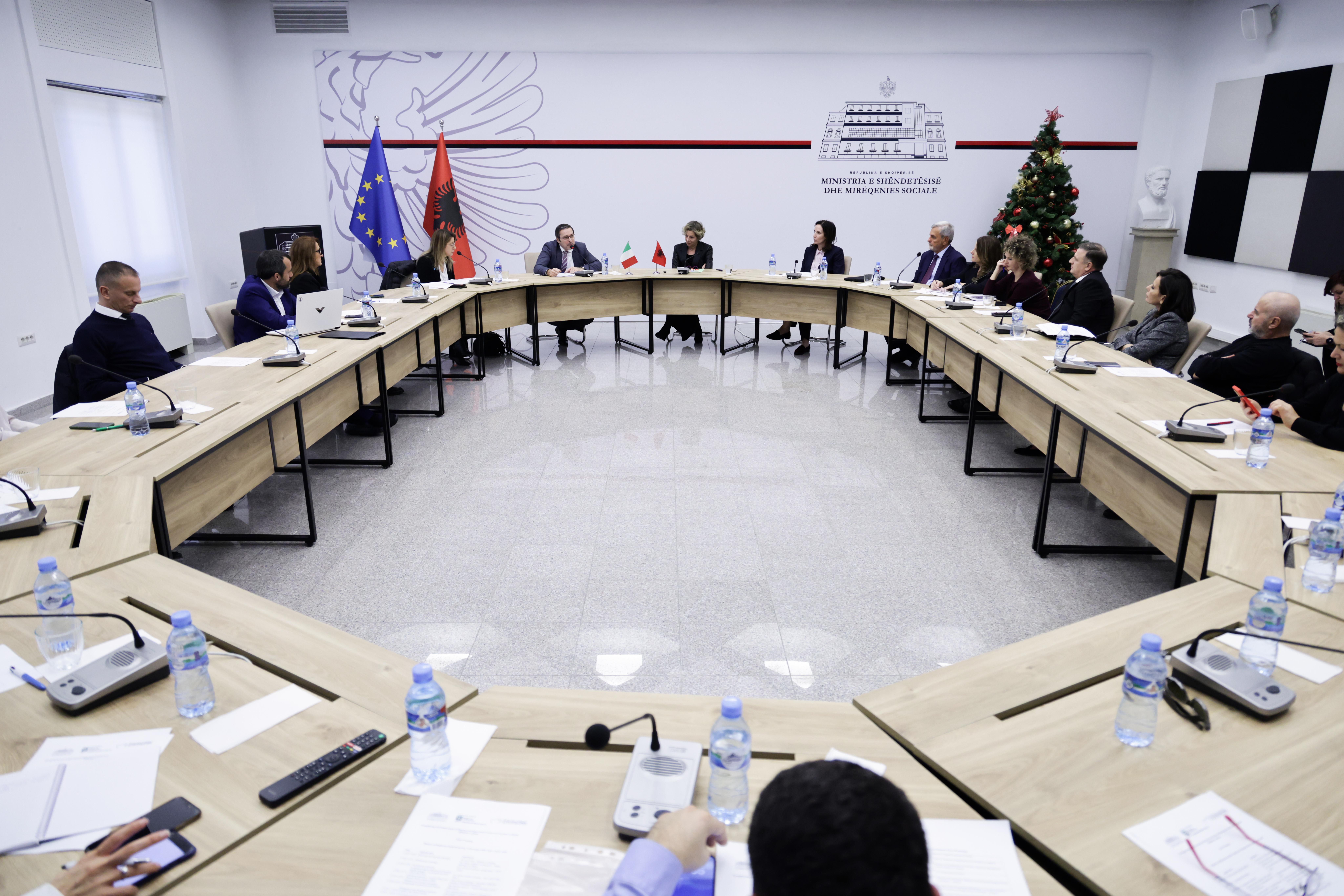
This morning, during a mission conducted by officials from Fatebenefratelli, “PRISMA” was officially launched. With a budget of €2 million, the project will operate in four Albanian hospitals (Koço Gliozheni, Mbretëresha Geraldina, Dibër, and Fier) providing quality care in modern, safe, and well-equipped facilities, in line with international standards. Specifically, an estimated 70,000 newborns and 63,000 mothers, along with approximately 300 healthcare workers, will benefit from PRISMA’s three main objectives:
- Specialized training in neonatal, gynecological, and obstetric emergencies for healthcare personnel;
- Adoption of Standard Operating Procedures (SOPs) and Disaster Risk Reduction (DRR) strategies to improve emergency response and the quality of care;
- Technical support for the rehabilitation of the Koço Gliozheni Neonatal Intensive Care Unit and the development of technical specifications for the equipment, in coordination with ANMA.
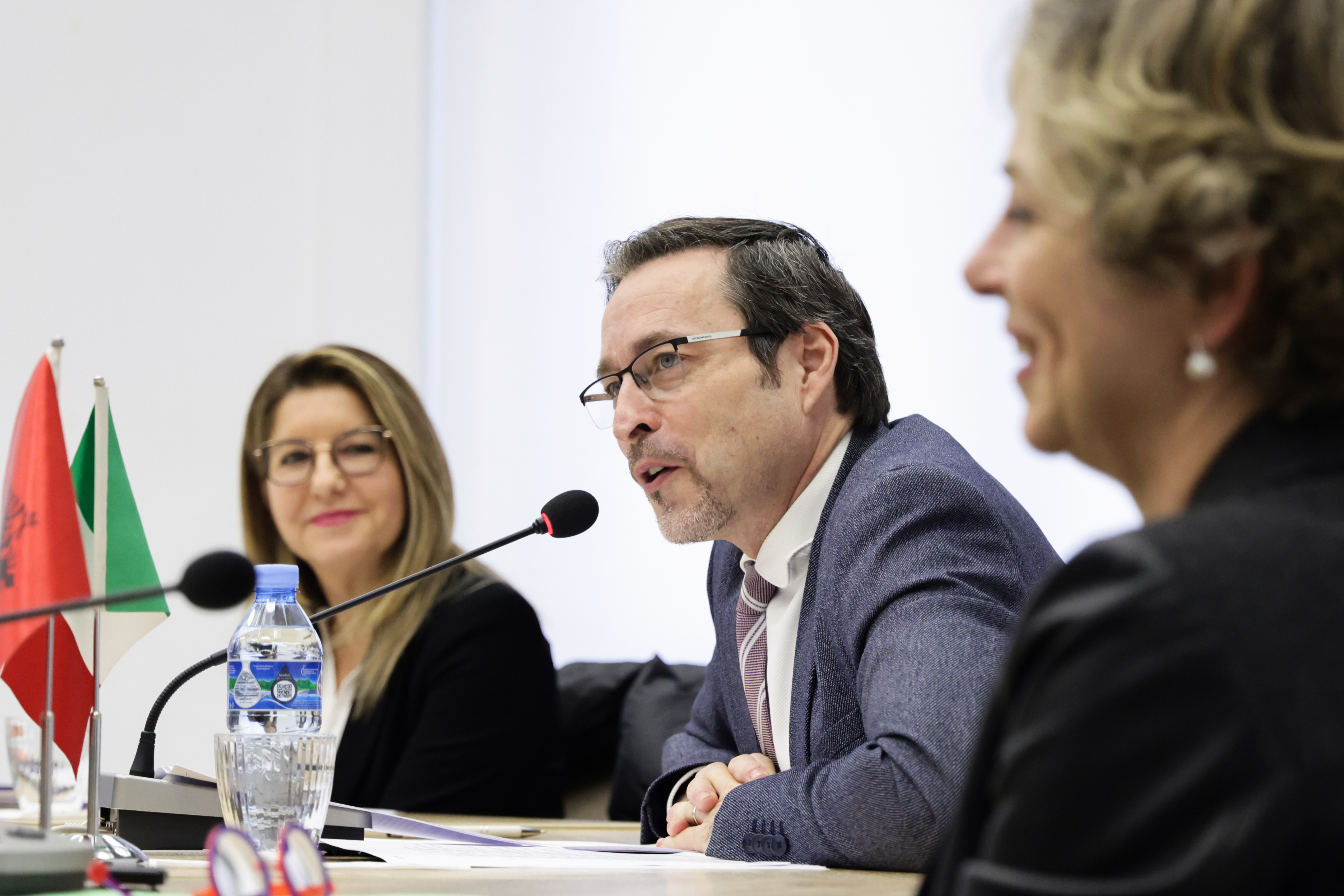
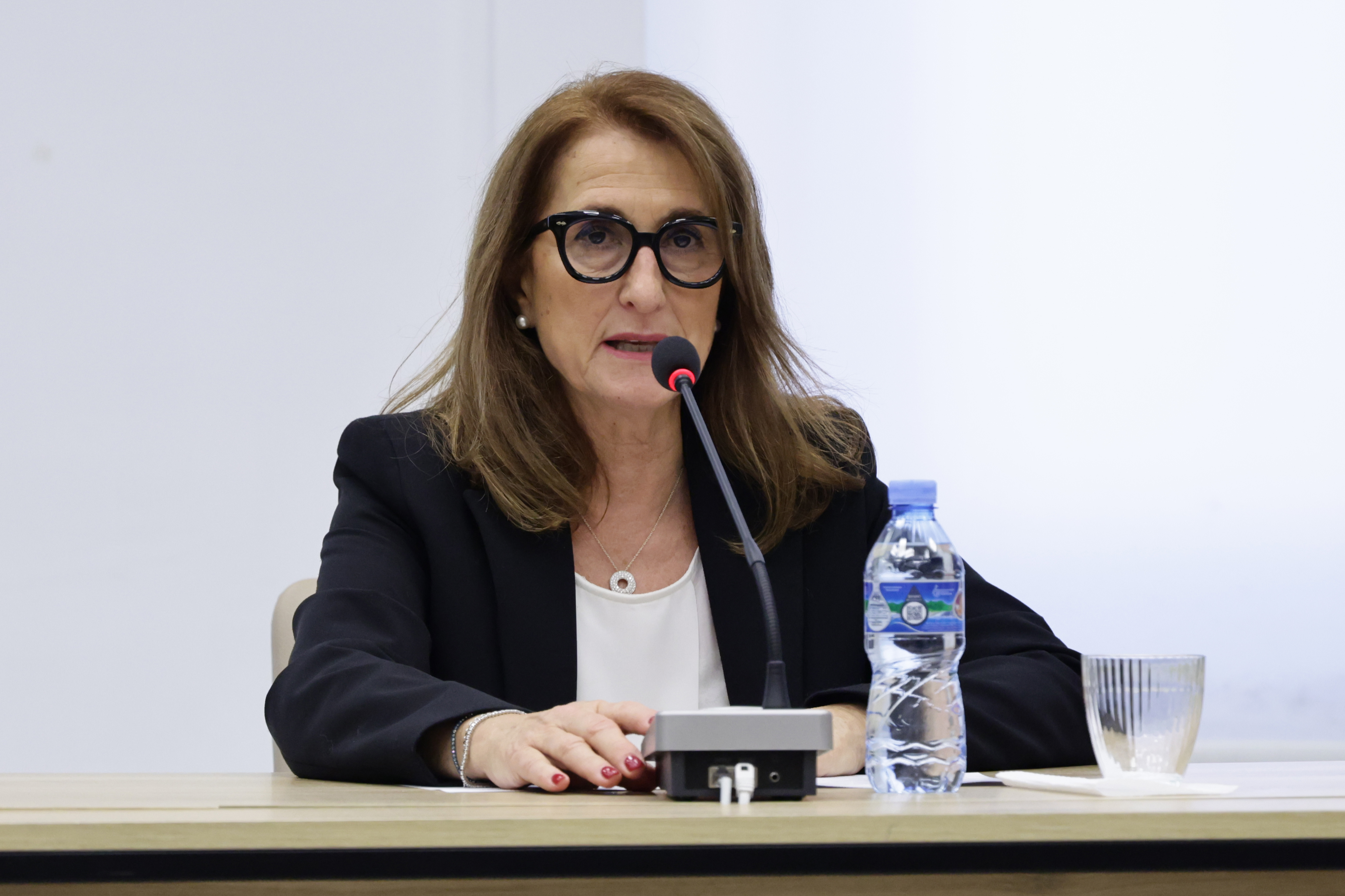
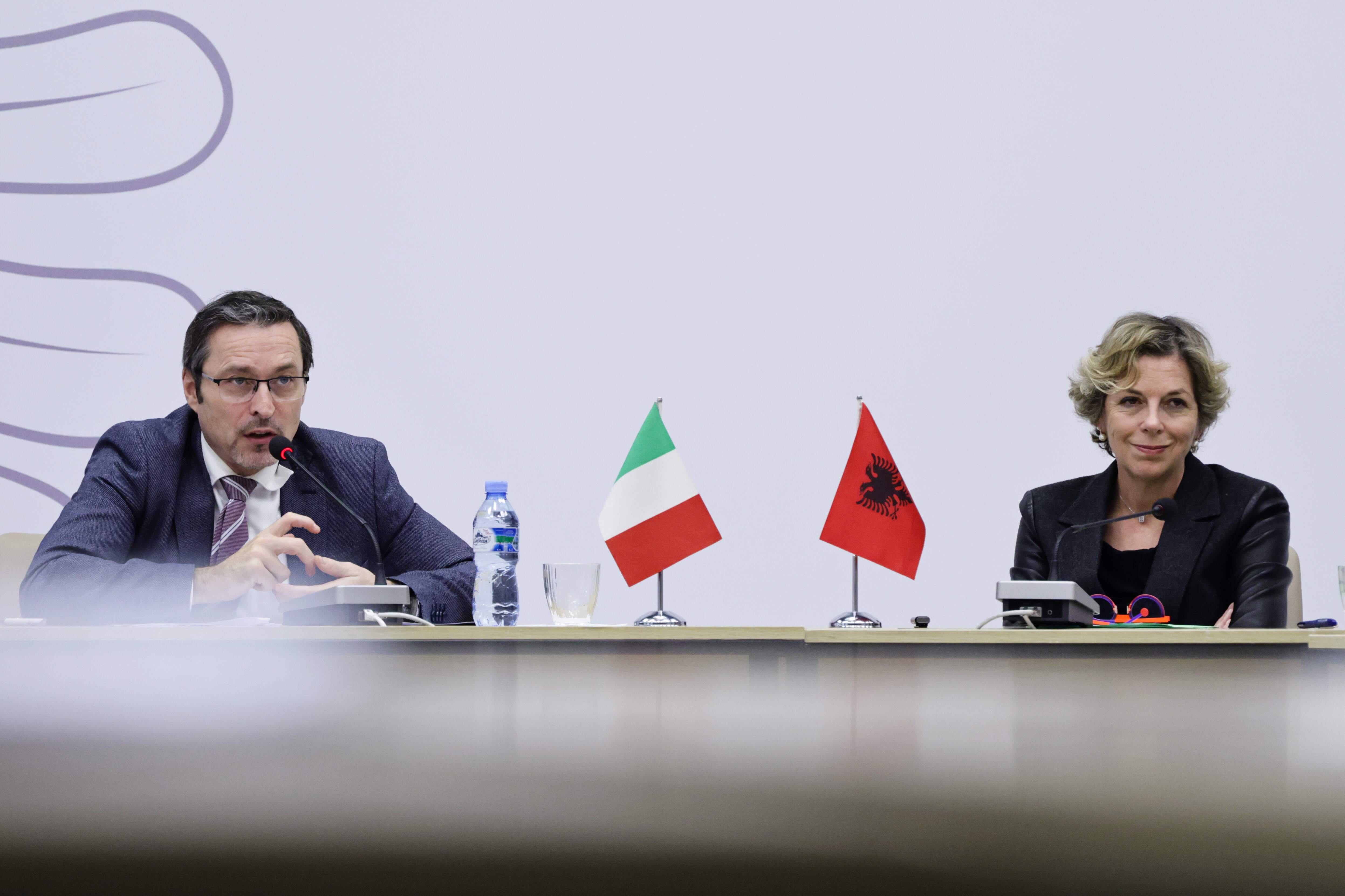
The launch meeting was also attended by the Italian Ambassador to Tirana, H. E. Marco Alberti, the Albanian Minister of Health and Welfare, H. E. Evis Sala, AICS Tirana Acting Director, Ms. Letizia Fischioni, and the General Director of ASST Fatebenfratelli Sacco, Dr. Maria Grazia Colombo.
For the Italian Cooperation, in its long-standing work to improve health services and training of healthcare personnel in Albania, health sector still plays a central role: additional programmes have been implemented in the last years such as “RIPRESA,” supporting public health through screening for non-communicable diseases, hepatitis B prevention, and the promotion of voluntary blood donation, and the recent multilateral initiative “Reducing Gender-Based Violence and Harmful Practices through Gender-Sensitive Governance,” which is helping to strengthen the governance of municipal referral systems for victims of gender-based violence, promoting women’s empowerment and respect for human rights (in the municipalities of Dibër, Klos, Pogradec, Kolonjë, Korcë, Konispol, Vlorë, Selenicë, and Tirana).